ACADEMIC PROGRAMME
Diploma in Comprehensive Seerah Studies
The life of the Prophet ﷺ studied within its historical, geographical and civilisational setting — documented from the recognised sources, and taught with maps, genealogies and timelines built for the purpose.
Enrolment now open for the October 2026 intake
Watch a sample lesson
Urdu group
English group
Enrol for the October 2026 intake
Fee: $150 per semester · Early bird: $120 until 15 October 2026
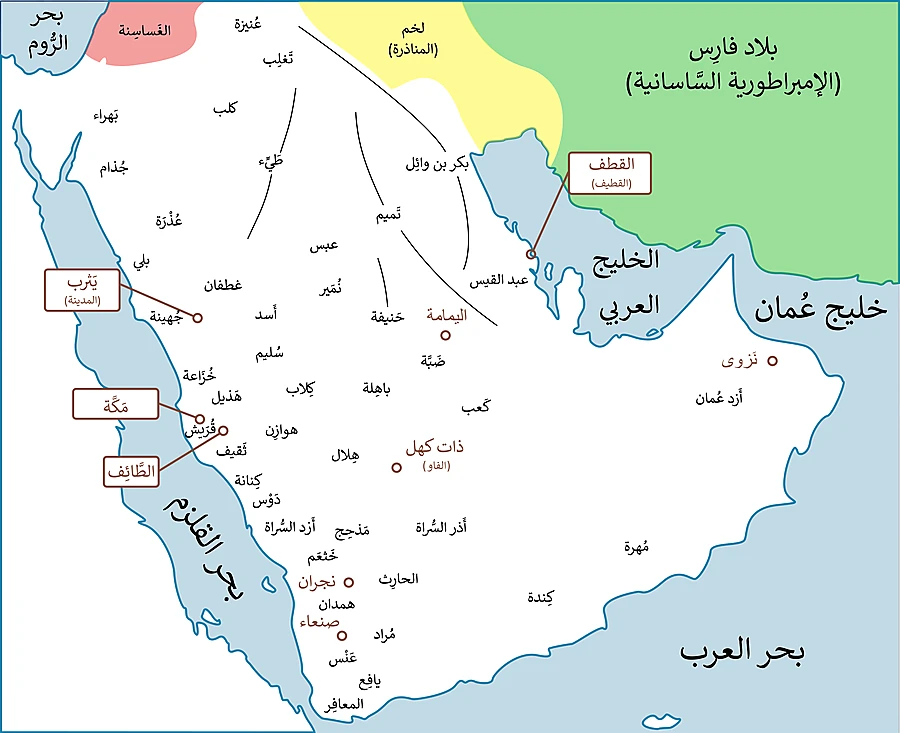
Most Seerah courses narrate. This diploma explains. Every event is placed within the geography, economy, tribal structure and political circumstances that produced it, so that the student understands not only what happened but why it happened when and where it did.
The programme begins before the beginning: with the Arabian Peninsula in the sixth century, its trade routes and its tribes, and the empires that surrounded it. Only against that background does the life of the Prophet ﷺ become fully legible. Every claim is traced to its source, and the historical setting is made visible through purpose-built maps, genealogies and timelines rather than described in words alone.
Duration
Four semesters — one year
Structure
12 weeks per semester · 2 classes per week · 24 lectures
Languages
English and Urdu
Level
Diploma — open to serious beginners
Timings
Urdu group: Mon & Tue · 9:00–10:00 PM PKT (7:00 PM KSA · 16:00 GMT)
English group: Wed & Thu · 9:00–10:00 PM PKT (7:00 PM KSA · 16:00 GMT)
Recorded lectures available to enrolled students
Semester overview
The diploma is structured across four semesters. Semester One is complete and is described below; the remaining three are in academic development and will be published in full before the Institute’s launch.
Semester One — The History of Arabia and the Early Life of the Prophet ﷺ
Twenty-four lectures across four units, from pre-Islamic Arabia to the first revelation.
Unit One
Geography, peoples, kingdoms, and the sixth-century world
Unit Two
Makkah, the Kaʿbah, Quraysh, Banū Hāshim, and the Year of the Elephant
Unit Three
Religion, society, economy and literature in pre-Islamic Arabia
Unit Four
From the birth of the Prophet ﷺ to the first revelation
Semester Two — From Prophethood to the Hijrah
In preparation
Semester Three — The Madinan Period
In preparation
Semester Four — The Later Years and Legacy
In preparation
What distinguishes this programme
Teaching approach
Methodology. Each lecture has a defined set of sub-topics, key figures, key places, and specified primary references. Students read an assigned passage from a primary work each week. Every lecture carries a map, genealogy or timeline prepared for that specific material, with its purpose and its source recorded in the curriculum.
Philosophy. A student who can recite the events of the Seerah has memorised a narrative. A student who can explain why the Quraysh reacted as they did, or why a particular route mattered, has understood history. The programme is built for the second outcome, and the visual material exists to serve it.
Who this programme is for
Learning outcomes
References
Primary and classical sources
Secondary and modern studies
السيرة النبوية — ابن إسحاق · Al-Sīrah al-Nabawiyyah, Ibn Isḥāq
السيرة النبوية — ابن هشام · Al-Sīrah al-Nabawiyyah, Ibn Hishām
الطبقات الكبرى — ابن سعد · Al-Ṭabaqāt al-Kubrā, Ibn Saʿd
تاريخ الرسل والملوك — الطبري · Tārīkh al-Rusul wa’l-Mulūk, al-Ṭabarī
أخبار مكة — الأزرقي · Akhbār Makkah, al-Azraqī
دلائل النبوة — البيهقي · Dalāʾil al-Nubuwwah, al-Bayhaqī
البداية والنهاية — ابن كثير · Al-Bidāyah wa’l-Nihāyah, Ibn Kathīr
السيرة النبوية الصحيحة — أكرم ضياء العمري · Al-Sīrah al-Nabawiyyah al-Ṣaḥīḥah, Akram Ḍiyāʾ al-ʿUmarī
الرحيق المختوم — صفي الرحمن المباركفوري · Al-Raḥīq al-Makhtūm, Ṣafī al-Raḥmān al-Mubārakpūrī
السيرة النبوية: عرض وقائع وتحليل أحداث — علي الصلابي · Al-Sīrah al-Nabawiyyah, ʿAlī al-Ṣallābī
سیرت النبی ﷺ — شبلی نعمانی و سید سلیمان ندوی · Sīrat al-Nabī ﷺ, Shiblī Nuʿmānī and Sayyid Sulaymān Nadwī (Urdu)
المفصل في تاريخ العرب قبل الإسلام — جواد علي · Al-Mufaṣṣal fī Tārīkh al-ʿArab qabla al-Islām, Jawād ʿAlī
Muhammad: A Prophet for Our Time — Karen Armstrong
Responsible use of AI
Artificial intelligence produces the maps, genealogies, timelines and comparative charts on which this programme depends. Every one is built for a specific lecture and a specific question — the extent of a trade route, the branches of a lineage, the sequence of an embassy. It renders content; it does not supply it.
A stated limit. No visual reconstruction is made of the Prophet ﷺ, of the Prophets, of the Companions, or of the household of the Prophet ﷺ. Reconstruction is confined to architecture, landscape, objects, routes and diagrams. Every generated image carries the caption illustrative reconstruction — not historical evidence, and students are told in the first lecture that only textual sources carry authority in assessment.
This is the distinction the programme is built on. The visual material makes the setting legible; the sources establish what happened. The two are never confused, and no map, chart or reconstruction is ever cited as evidence.
Frequently asked questions
After this programme
Enrol for the October 2026 intake
Fee: $150 per semester · Early bird: $120 until 15 October 2026
Not ready to enrol yet? Register your interest
Leave your details below and we will let you know about future intakes and programme updates. No other correspondence will be sent.